
Mobile PDF Analysis Review: Check Before You Sign
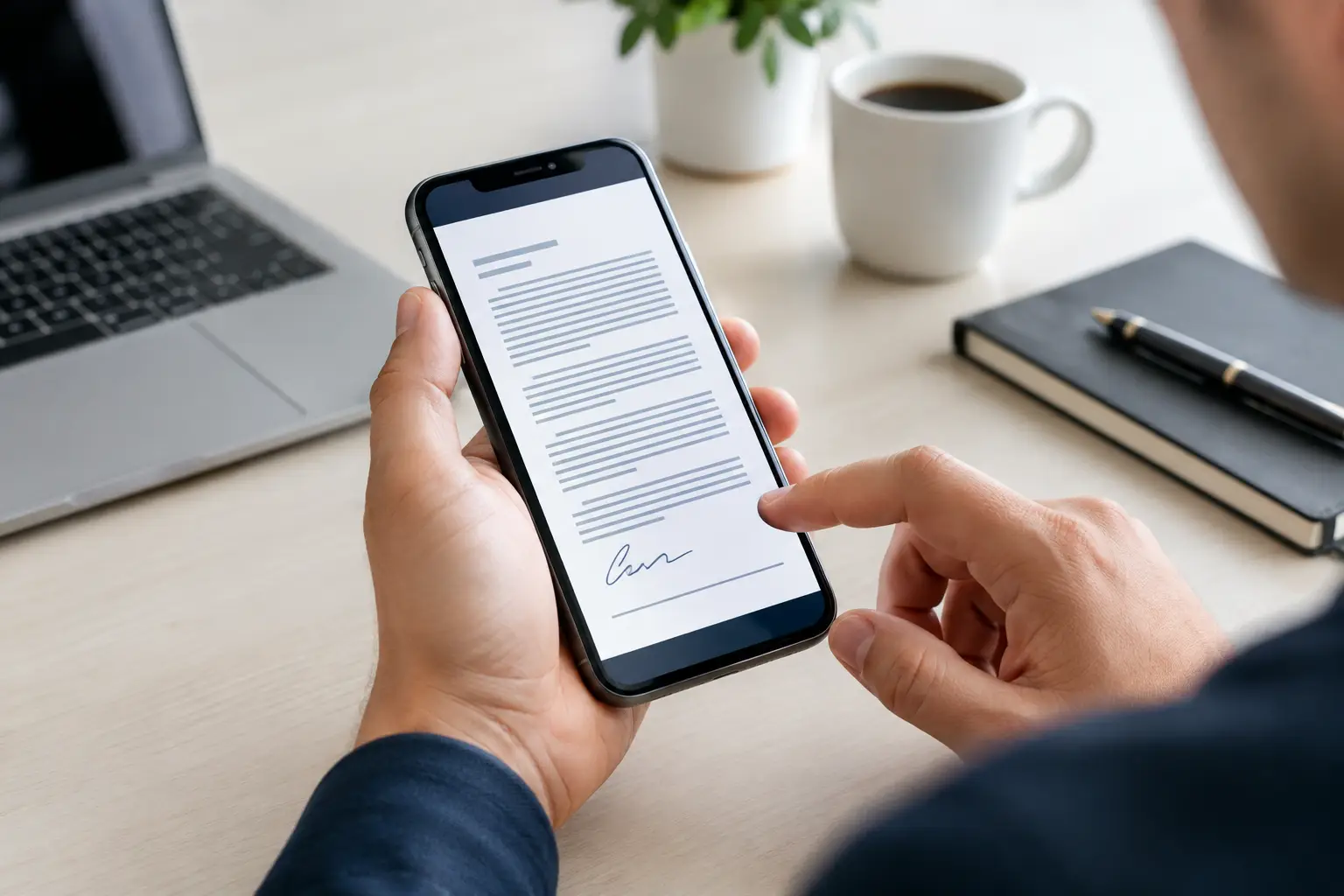
A lease renewal lands in your inbox at 9:40 p.m. A contractor texts a 14-page estimate. The dealership hands you financing paperwork while someone waits for a signature. That is when a mobile PDF analysis review matters most: not after the money is gone or the deadline has passed, but before you agree.
Your phone is often where consequential paperwork arrives and where decisions get made. A useful mobile review should do more than make a PDF readable on a small screen. It should show you what the document requires, what it costs, when action is due, and which terms deserve a second look.
What a mobile PDF analysis review should actually do
A PDF viewer can help you zoom in. It cannot tell you that a lease may renew automatically unless you give notice 60 days before the term ends. It cannot flag that a medical bill has a payment deadline, or that an employment agreement includes an arbitration provision. Those are the details that change your options.
A meaningful mobile PDF analysis review turns dense paperwork into a plain-English first read. It should identify the kind of document you uploaded, pull forward the money and deadline terms, and point to the source language behind each finding. The goal is not to replace the document. The goal is to stop the document from hiding in plain sight.
For consumers, the best results answer practical questions quickly:
- What will I owe, and when?
- How long am I committed?
- Does this renew automatically or change price later?
- What must I do to cancel, dispute, or terminate?
- Are there fees, penalties, or clauses that limit my options?
If a tool gives only a generic summary, it may be convenient, but it is not enough for a decision with financial or legal consequences. You need findings connected to the actual pages you received.
Money and deadlines first
Most people do not need a lecture on contract theory when they are reviewing a phone-screen PDF. They need to know whether the document creates an obligation they did not expect.
Start with the figures. Look for total cost, recurring charges, deposits, interest rates, late fees, deductibles, out-of-pocket amounts, escalation clauses, and early-termination penalties. In a contractor estimate, that may mean separating an initial deposit from the total project price and checking whether change orders can increase the bill. In auto financing, it may mean comparing the amount financed, payment schedule, APR, and total of payments instead of focusing only on the monthly payment.
Then look at timing. Notice periods, due dates, cure periods, claim deadlines, and renewal windows are easy to miss because they are often buried in ordinary-looking paragraphs. A cancellation right is only useful if you learn about it while you can still use it.
A good review does not imply that every deadline is negotiable or every fee is improper. It simply makes the obligations visible early enough for you to ask better questions.
The clauses people overlook on a phone
Mobile screens create a predictable problem: readers skim, scroll, and stop at the signature block. Important terms may sit several pages earlier or appear in an attachment.
Pay particular attention to automatic renewal language, cancellation instructions, liability limits, dispute-resolution provisions, assignment rights, and terms that let one party change prices or services. These clauses are not automatically bad. Sometimes they are standard and reasonable. But they can materially affect your choices, especially when you are trying to exit an agreement, challenge a charge, or recover a deposit.
Arbitration language deserves careful attention because it may affect how disputes are handled. So do integration clauses, which can state that the written agreement controls over verbal promises. If a salesperson, landlord, employer, or contractor made an important promise, do not assume a casual conversation will carry the same weight as clear written language.
The mobile upload test: Can it read the document you have?
Real-life paperwork is not always a clean digital PDF. It may be a photo taken in poor light, a multi-page scan, a screenshot from a portal, or a document with handwritten notes. That is why the upload experience matters.
Before relying on any analysis, make sure every page is included and readable. Missing pages can remove the very section that explains fees, exclusions, or cancellation rights. Blurry images can turn a date, dollar amount, or checkbox into a guess. If a page is hard for you to read, it may be hard for a system to interpret accurately as well.
A responsible tool should distinguish between what it found and what it could not confirm. Be cautious of a review that sounds certain about a term that is unreadable, missing, or not present in the document. Invented details are worse than an honest statement that more information is needed.
For phone-camera uploads, use even lighting, place the page on a flat surface, capture all corners, and review the image before submitting it. Those small steps can make the difference between a usable report and a missed provision.
What to expect from AI analysis - and what not to expect
AI can be a strong first layer of protection when it is used for the right job. It can organize a confusing document, translate jargon, identify likely payment obligations, and bring attention to provisions worth reading closely. That is especially helpful when you need clarity outside business hours or do not have the time or budget to hire a professional for every form.
But AI analysis is educational information, not legal, medical, financial, or other licensed professional advice. It cannot tell you with certainty how a court, insurer, employer, lender, or government agency will interpret a document in your specific circumstances. It also cannot negotiate on your behalf.
That boundary is not a weakness. It is how you use the tool wisely. Use the findings to prepare questions, compare what you were told against what is written, and decide whether the stakes justify advice from a qualified professional. If the document involves a large financial commitment, a serious dispute, a medical-care decision, employment rights, or a time-sensitive legal notice, getting professional guidance may be the right next step.
A practical review routine before you sign or pay
Treat a mobile review as a decision checkpoint. First, upload the complete document, including schedules, exhibits, and terms referenced by name. Next, read the payment amounts, dates, renewal rules, and cancellation requirements before reading the broader summary. Those fields usually carry the fastest consequences.
After that, compare the report with what you expected. If the agreement says a service is nonrefundable, but you were told you could cancel anytime, pause. If the estimate allows broad additional charges, ask how approval for those charges works. If an insurance notice gives a response deadline, put it on your calendar and save a copy of the notice.
Finally, go back to the source text for every item that affects your decision. Plain English helps you understand the issue; the source language helps you verify it. ShieldMyDoc is built around that discipline: clear findings tied back to the actual document, without filling gaps with assumptions.
When a mobile PDF review is most valuable
The best time to review is when you still have choices. That may be before signing a lease, accepting a job offer, paying a medical bill, approving home repairs, selecting auto financing, or responding to an insurance letter.
It is also valuable after you have already signed when a renewal, charge, denial, or dispute appears. You may need to locate the notice requirement, payment terms, or dispute process quickly. The document may not change, but your understanding of what it says can change what you do next.
Paperwork gets its power from the terms people skip. Put money and deadlines first, verify what matters in the source, and do not let a small phone screen pressure you into a big decision. DON'T SIGN IT. DON'T PAY IT. SHIELD IT.
ShieldMyDoc provides informational content designed to help you understand documents in plain English. Our service does not provide legal advice, legal representation, or financial advice. For advice about your specific situation, consult a qualified professional.
Related articles

Spot Loan Prepayment Penalties Before You Pay
Learn how to spot loan prepayment penalties, calculate the real cost of paying early, and find the clauses, exceptions, and payoff steps to check first.

Loan Disclosure Comparison Before You Commit
Use a loan disclosure comparison to spot payment changes, lender fees, cash due, and deadlines before a mortgage or other loan becomes your obligation.

Contract Payment Terms: What You Owe and When
Contract payment terms tell you what you owe, when it is due, and what happens if you miss it. Learn the clauses to check before you sign or pay in full.